3D/XR
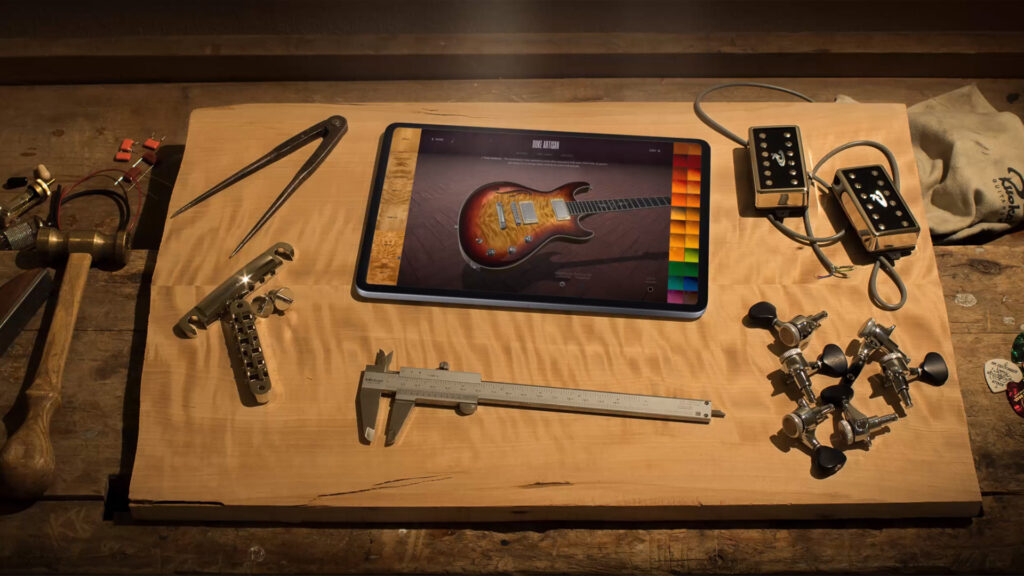
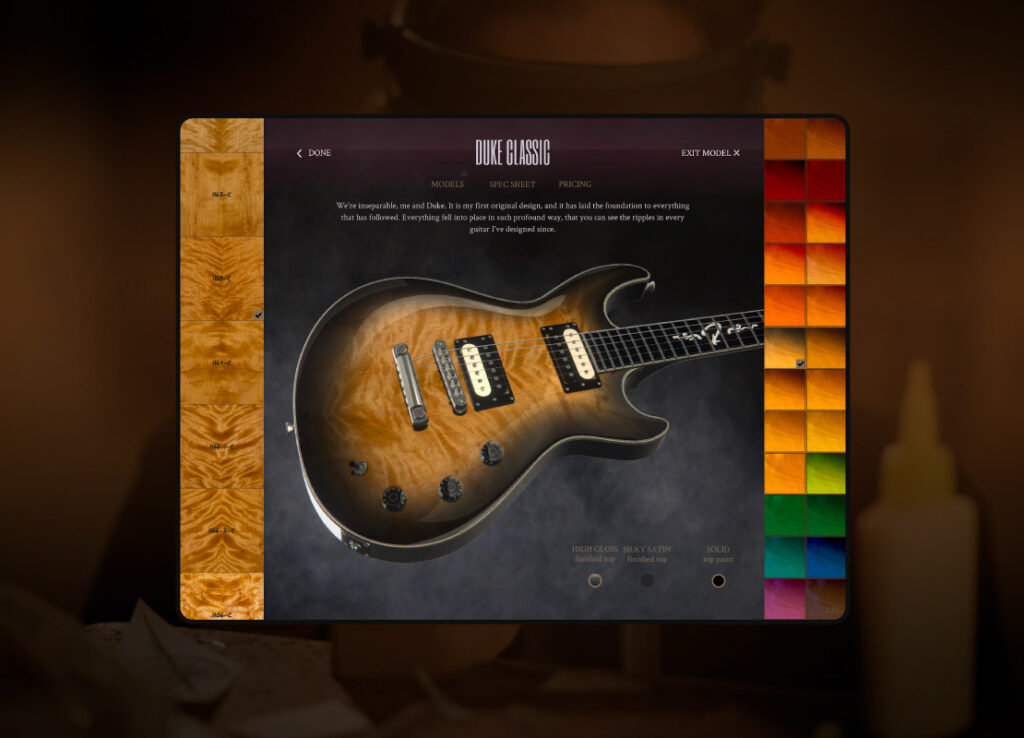
3D Guitar Creator
— With the 3D Guitar Creator, the customer can customize the characteristics of his guitar from expertly selected and very detailed options. The experience culminates with the use of VR glasses.


Many companies invest heavily in the look and structure of their websites, yet the end result is often just a digitally packaged brochure. It may describe products and values, but it doesn’t help, guide, or encourage visitors to keep exploring. An interactive website, by contrast, works like a good salesperson: it recognizes the customer’s situation, asks the right questions, and suggests the next step.
In our earlier article, Interactive websites generate more leads – here’s why, we explained how to move from one-way communication toward engaging, conversion-driven experiences. Now we dive into how that change is built in practice—step by step, from the visitor’s point of view.
1. Tests and quizzes help users realize their needs
Visitors don’t always know what they need. A well-designed test or quiz both entertains and supports the customer. It helps them understand their own situation and guides them toward a relevant solution. At the same time, it provides the site owner with valuable data about the visitor’s context and interests. When a website asks first and explains only afterward, it creates a sense of interaction—rather than a sales pitch.
2. Product and service selectors speed up finding the right option
Your offerings may be extensive, but customers don’t have the time or patience to go through everything. Smart selection tools guide visitors directly to the content or solution that interests them. This kind of functionality not only improves the user experience but also reduces unnecessary browsing and brings conversion points closer.
Read more on this topic: From website visitors to leads
3. Gamification engages and leaves a lasting impression
Light gamified elements—such as mini-games, prize wheels, or campaign quizzes—activate visitors in a new way. They can be used, for example, to boost newsletter sign-ups or make a digital campaign more memorable. Gamification brings life and energy to a website while rewarding the visitor.
Example: Selkäliitto’s exercise wheel
4. Surveys and feedback channels build trust
More and more visitors want to have a say and be heard. By providing opportunities for feedback or asking directly what they’d like to see next, you not only gather valuable data for your own development but also build a relationship with the customer. At the same time, you reinforce the impression that you genuinely care about their needs.
5. 3D and animations make the intangible tangible
When presenting complex products or services, images and text alone often aren’t enough. High-quality 3D visualizations and animations bring your products, brand, and story to life in a way that captures attention and makes your ideas shine. We’ve created 3D animations for clients to illustrate product assembly, usage, and safety—making guidance effortless and engaging. This helps customers understand the product’s possibilities and speeds up their purchase decisions.
We hope we’ve managed to open your eyes to the fact that a website can be more than just a brochure. When its design emphasizes user focus, interactivity, and technology that supports action, it can become your company’s best salesperson—or at the very least, the excellent assistant to your top salesperson. And you can tell this to your CEO, too: an active, conversion-focused website doesn’t just improve the customer experience—it also boosts your bottom line.
At J&Co, we create these solutions by combining our high-level technical expertise, the functional platforms we develop, and skilled visual design. The result is web services that not only look great but also engage, ask, suggest, and sell.
— With the 3D Guitar Creator, the customer can customize the characteristics of his guitar from expertly selected and very detailed options. The experience culminates with the use of VR glasses.

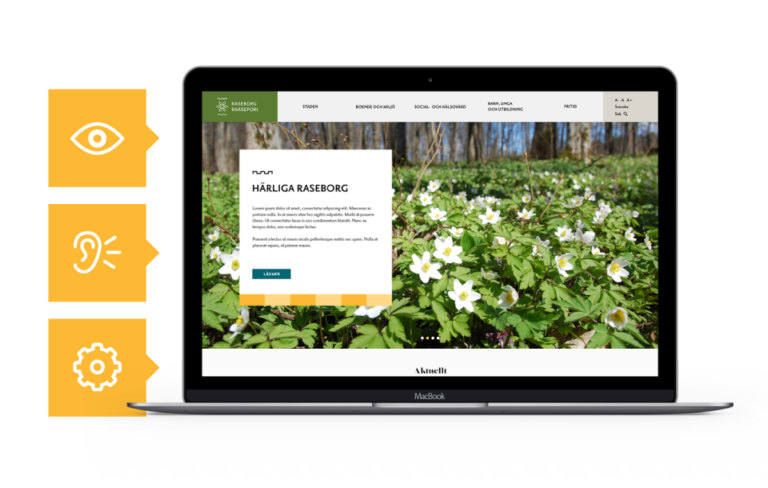
— Raaseporin kaupungin verkkosivut
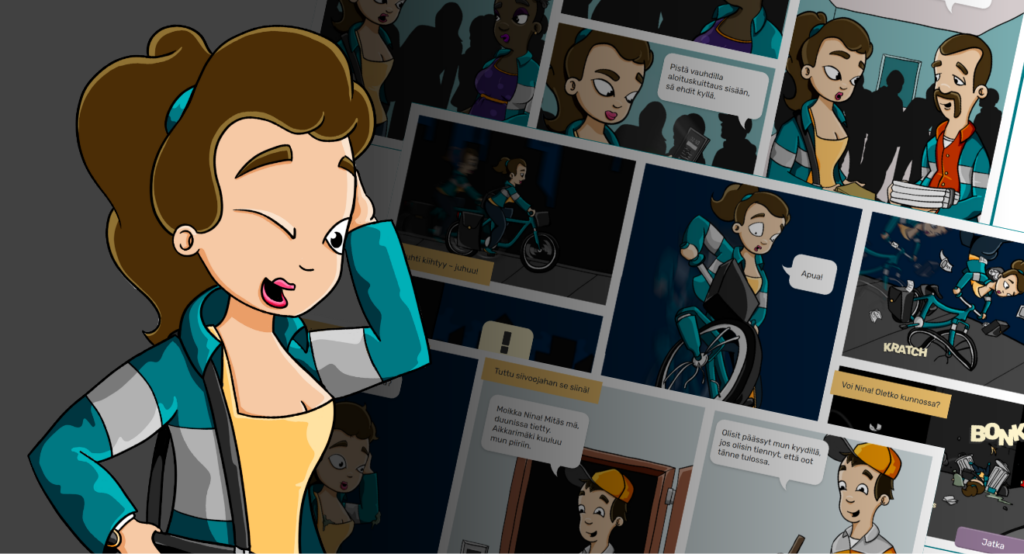
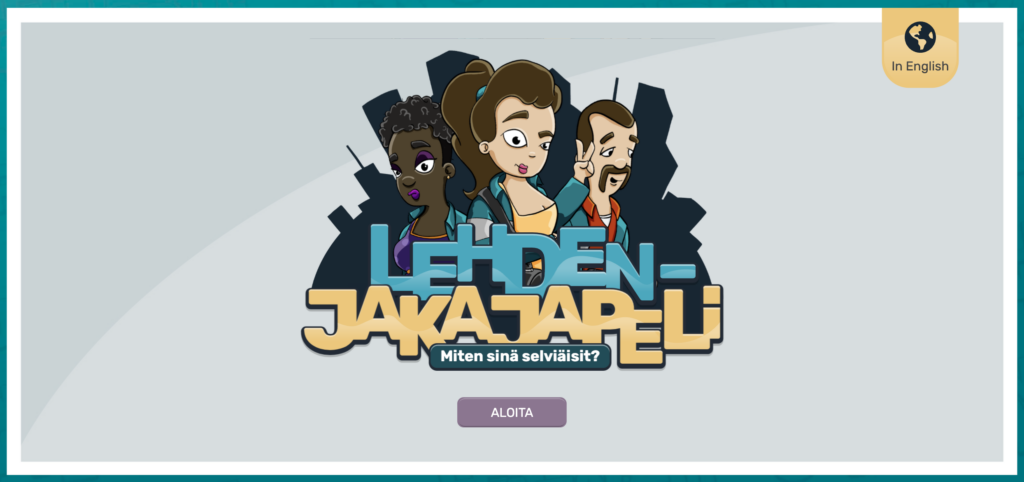
— Medialiitto wanted to raise awareness about the night job of newspaper delivery. The goal was to attract potential employees, particularly those aged 18 to 30, to the field.
"*" indicates required fields